


Waste Transfer Station Safety
People are being Killed & Seriously Injured at Waste Transfer Stations


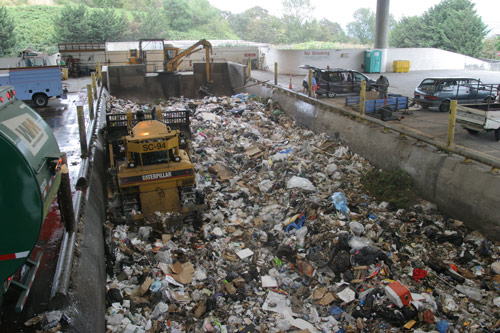

Safety

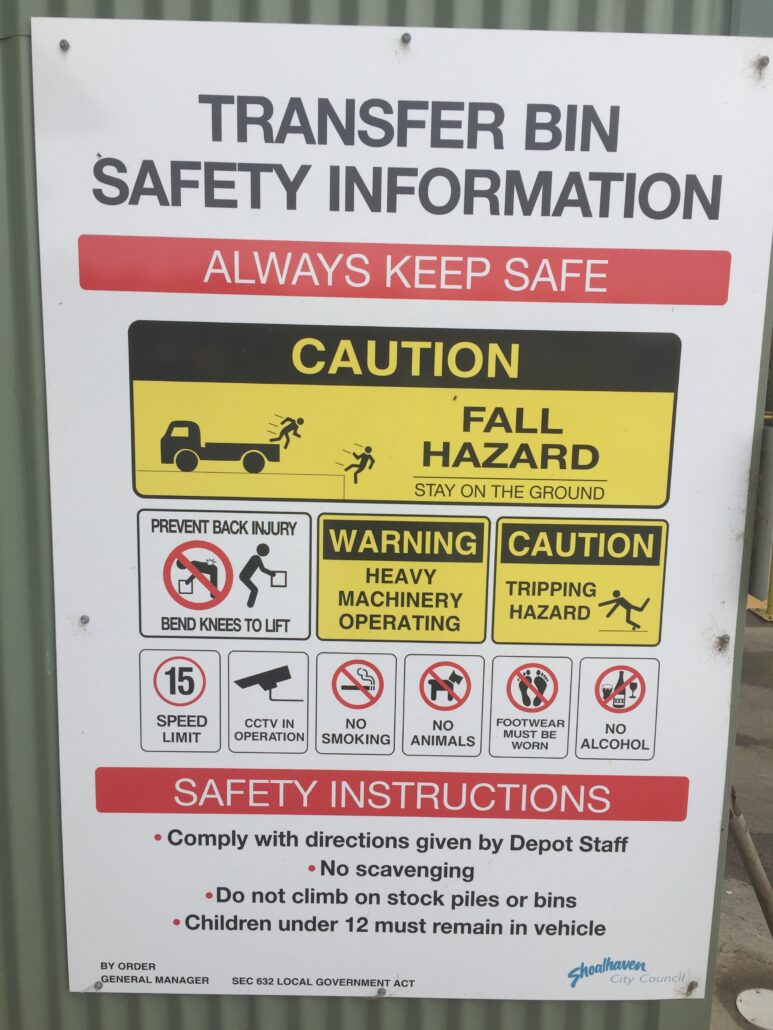
Waste Transfer Stations need to be flexible for the variety of inputs, most safety measures are lower order controls (See Safety Hierarchy), such as signage and line marking.
The LBin System eliminates or provides engineering controls for the most common WTS Risk.
WTS Safety Challenge
The Waste Industry is one of the top 3 most dangerous industries in many parts of the world and Waste Transfer Stations are one of a few points where the industry interacts directly with the public with devastating consequences.
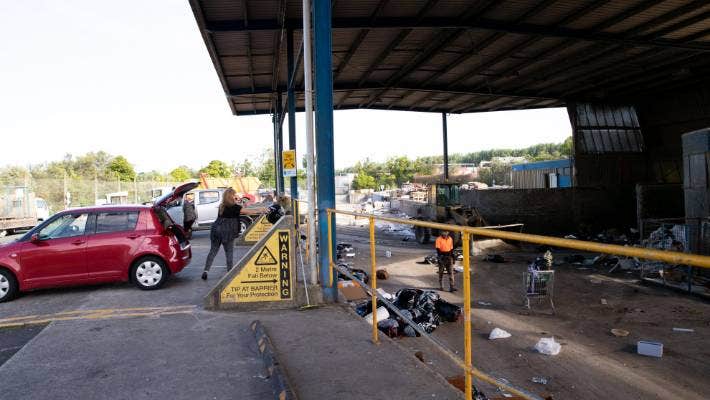
Waste Transfer Stations are active places full of trucks, cars, trailers, mobile machinery and pedestrians all working & manoeuvring on the same site.
It is however necessary to invite untrained and uninducted members of the public into these workplaces so they can deliver their unwanted material.
The frequency of fatalities and serious injuries demands a different approach to Public Waste Transfer.
Most Waste Transfer Stations rely on low-level ineffective controls such as supervision, line marking and signage to manage safety. There is a pressing need to eliminate risks and introduce higher-level controls.
The LBin System eliminates, substitutes or provides engineering controls for most risks found in Public Waste Transfer Stations.
Waste Hierarchy (NSW)

Drivers to increase Reuse, Recovery & Recycling per the Waste Hierarchy, requires recovery to occur before the bulk waste stream.
This has required recovery staff to work, store and transport materials in the public space, increasing the risk profile.
Fatalities & Serious injuries
Waste Transfer Stations suffer the following major issues for staff & Public:
- Vehicle V Person
- Machine V Person
- Truck V Person
- Fall & Trip Hazards
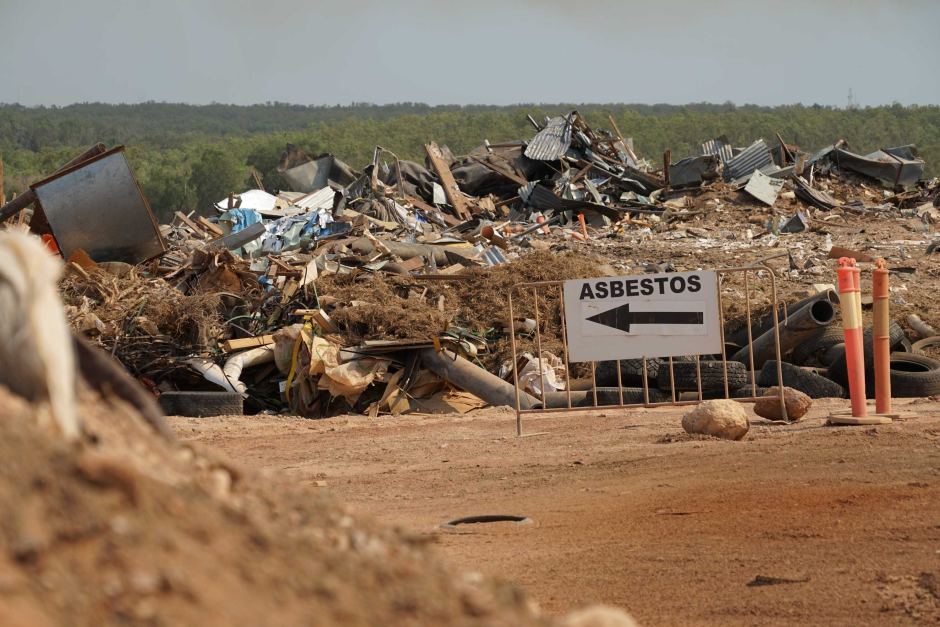
- Carsongenic Material exposure e.g. Asbestos
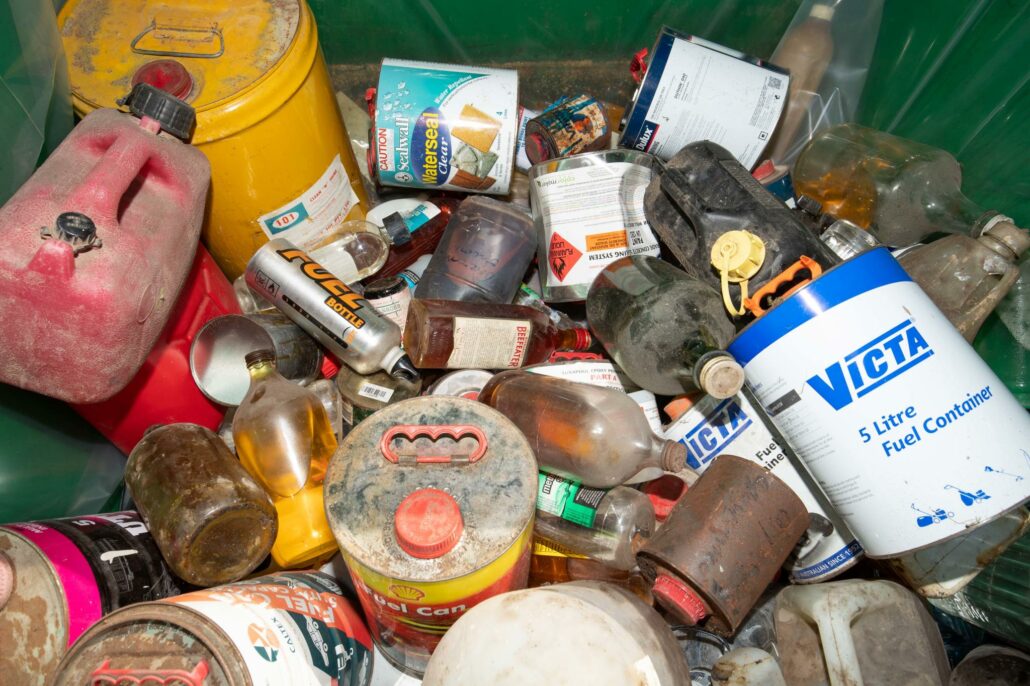
- Toxic chemical exposure
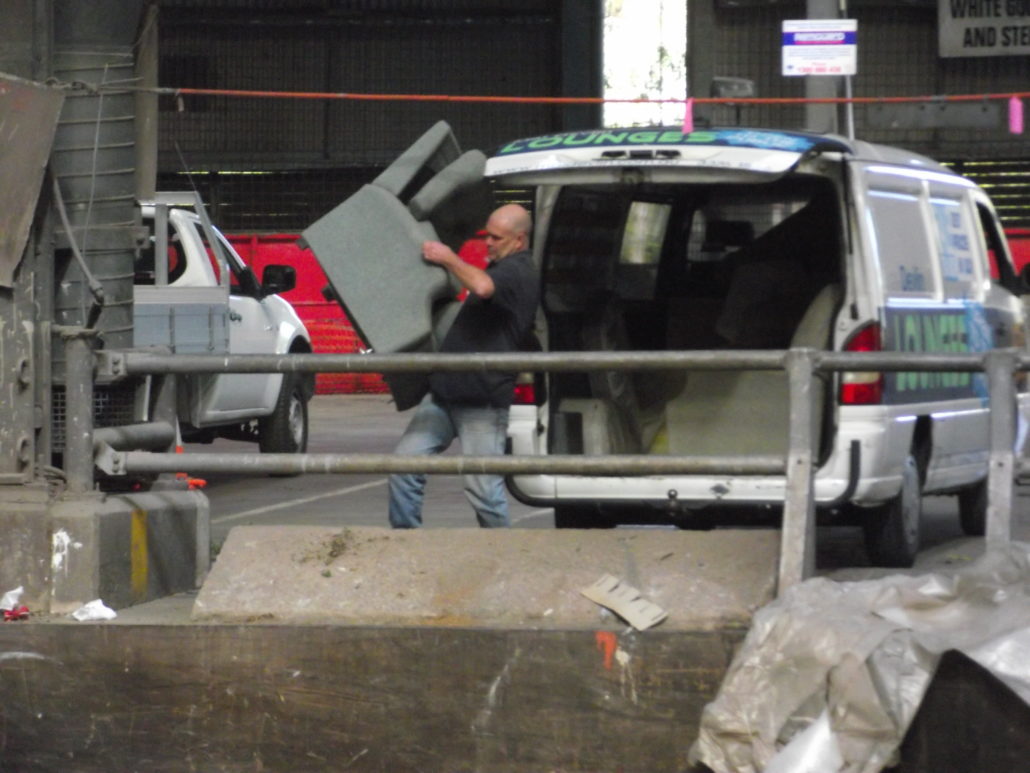
- Material handling injuries
- Cuts and Lacerations
Most industries apply strict controls to eliminate these risks. In Waste Transfer Stations most controls are administrative, using line makings, signage and supervisory controls.
Waste transfer stations are very dangerous places.
Incidents & Reporting:
- formal reporting focuses on incidents with staff.
- many injuries and near misses for public incidents are going unreported
- in 2014 in NSW 2 members of the Public died at waste Transfer Stations after falling into bins.
- USA: there were 4 Fatalities in 2020 at waste transfer stations (Source: SWANA)
- Feb 2022 Fatality USA
- Fires are a common occurrence.
- With the public, operators, delivery vehicles, machinery, and lots of manual handling occurring in the same place, accidents and injuries are commonplace.
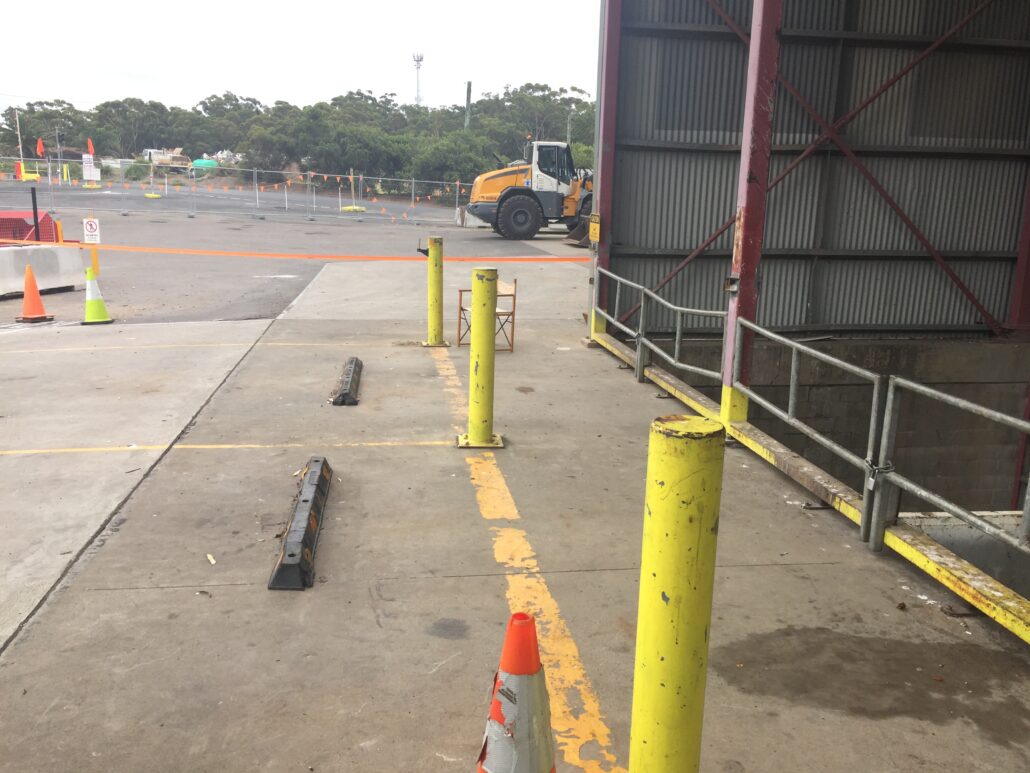
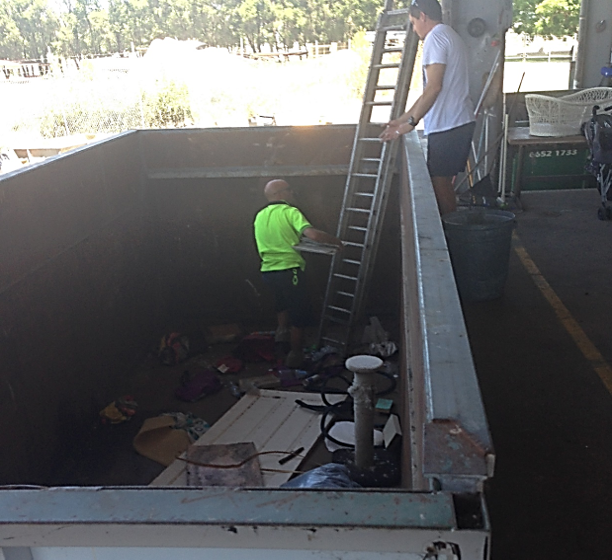
Fixing the safety issues


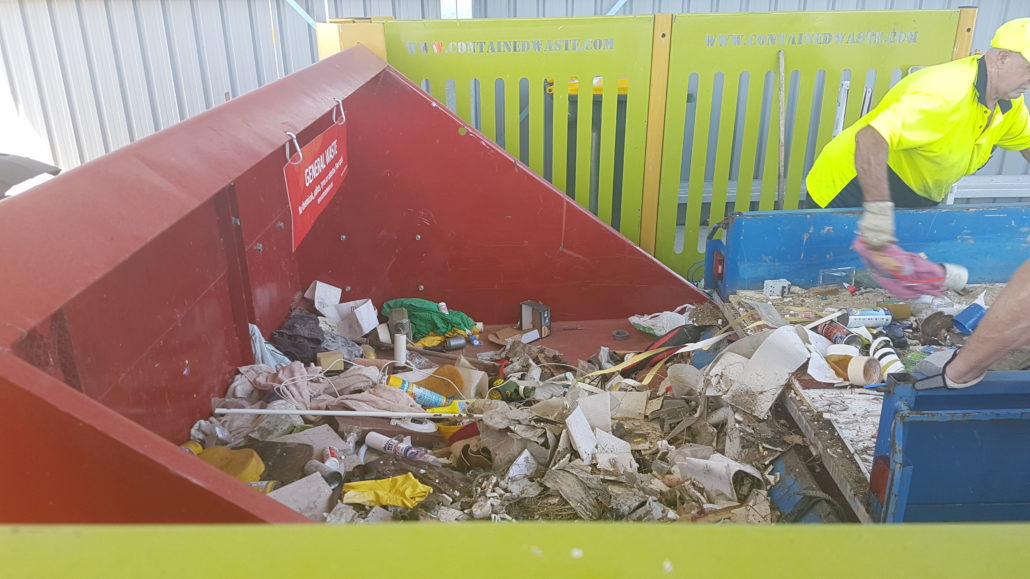
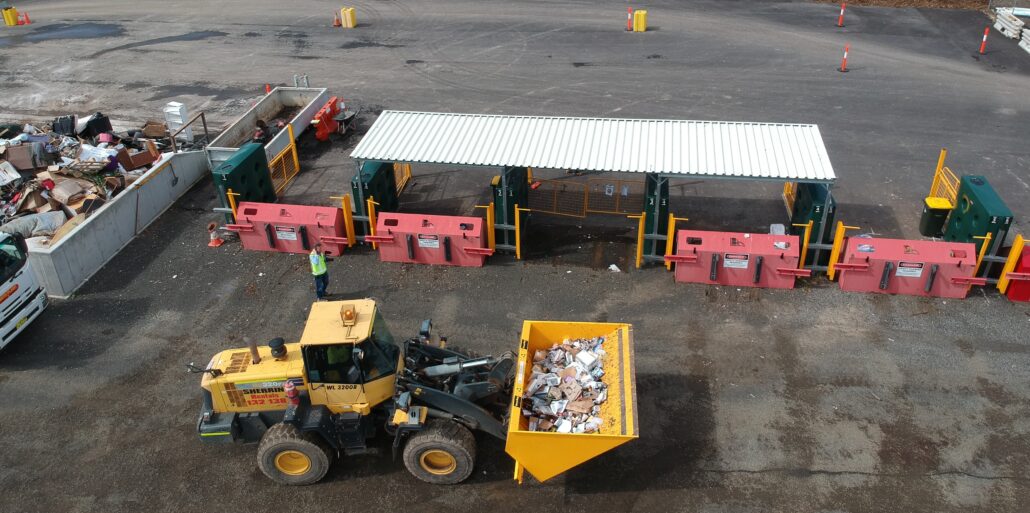

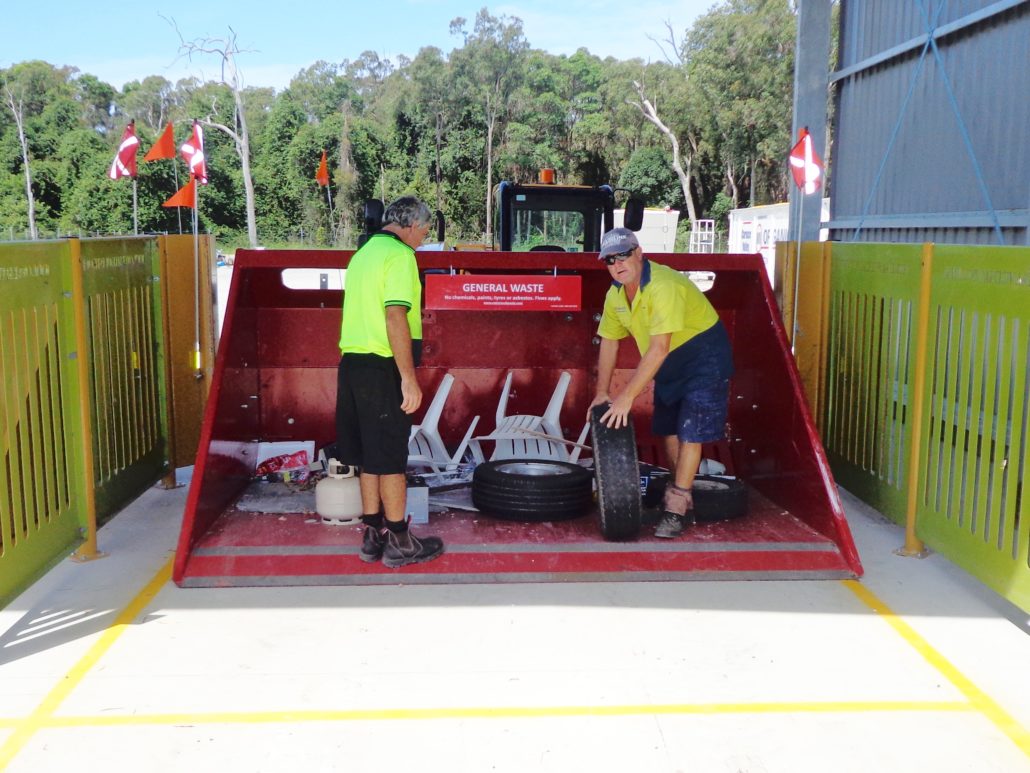
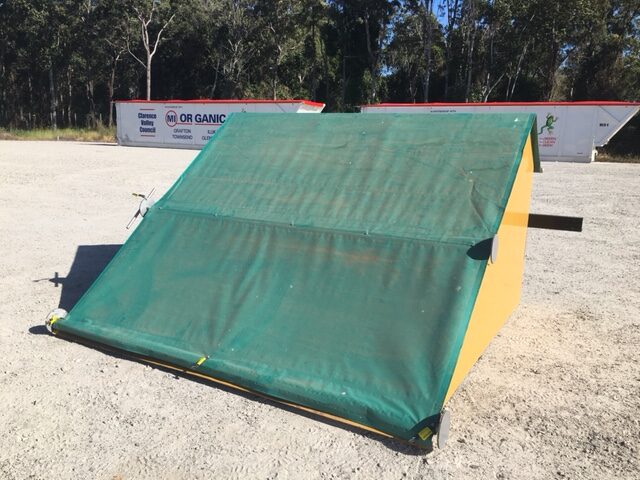
LBins™ are only part of the System
BumpBays™ & SheltaBays™ provide the separation functions
critical to preventing the most common causes of fatality and injury at Waste Transfer Stations.
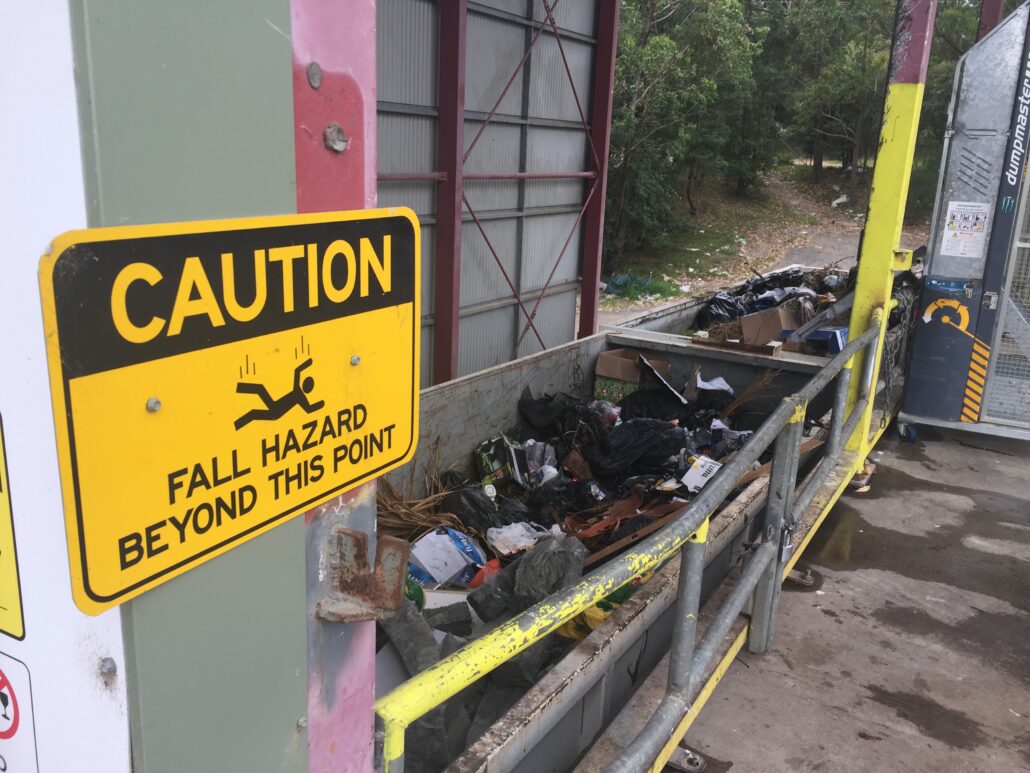
Edge Safety at elevated Public waste transfer stations
The following document is free for download and outlines the following:
- correct edge protection for sites
- correct heights and widths of handrails as per AS1657 standards
- The distance from the edge car needs to be when on an elevated platform, considering that truck beds would classify as an elevated platform
- The correct setups for sawtooth
- The common risks seen at WTS with machinery and proximity
Regulatory assessment of the LBin system
The following document is free for download and outlines the following:
- Provides a comparison between the LBin system to traditional sawtooth (direct to Bin), pushpit and flat to floor landfill public waste transfer station, analysing/comparing the Risks, Work health Saftey issues, abilities to intercept prohibited/hazardous waste, general resource recovery and regulatory requirements.
- LBin WHS assessment
- LBin Systems’ ability to intercept prohibited, problem and hazardous waste
- LBin systems’ ability to meet common regulatory requirements
LBin™ System Typical Site Set Out
The LBin System can be arranged in infinite combinations,
the following is a typical set out.

Customer Zone
Operator Sorting Bay- Isolated from Machine Area
Machine Only Area
Problem & Hazardous Waste Separated
Chemical & Leach-ate Storage
3.9 or 4.4m Wide Segregated Bays
1.5m High Barriers to prevent Public from going into Machine area.
Mulcher to Process green Waste
Segregated Path and Zone for waste transfer trucks.
Segregated rear access for Machine collection of LBin

